Synix 50" HDTV - Main Board Failure After Power Surge
Synix 50-inch HDTV damaged by lightning-induced power surge. Systematic diagnosis of surge protection components and selective replacement to restore functionality.

Symptoms
- Completely dead after thunderstorm
- Burnt smell from power supply area
- No standby light
- Customer reported power flickered during storm
Diagnosis
Customer reported the TV died during a thunderstorm with multiple power flickers. This immediately suggested surge damage. Opened the TV and found a burnt smell coming from the power supply board. Visual inspection revealed a cracked MOV (Metal Oxide Varistor) - the surge protection component. The MOV is designed to short circuit during a voltage surge to protect downstream components, then the fuse blows to disconnect power. Found the fuse was also blown (open circuit). Tested the bridge rectifier with a multimeter - it showed a short circuit (0Ω in both directions), meaning it was damaged by the surge. The good news: the main filter capacitor and downstream components tested OK, meaning the MOV and fuse did their job and sacrificed themselves to save the expensive parts.
- Multimeter (essential for testing)
- Soldering Iron 60W+
- Desoldering Pump
- Safety Glasses (MOVs can explode)
- Fuse Puller or Pliers
- MOV (Metal Oxide Varistor)14D471K (470V)Surge protection - sacrificial component
- Fuse5A 250V Fast-BlowInput protection
- Bridge RectifierKBP307 (3A 700V)AC to DC conversion
Repair Process
Safety and Visual Inspection
Unplug and wait 10 minutes. Open the TV and locate the power supply board. Look for obvious damage: burnt components, cracked MOV, blown fuse. In this case, the MOV was visibly cracked and the fuse was blown. The burnt smell was from the MOV sacrificing itself during the surge.

Test Input Components
Test the fuse with continuity mode - should show 0Ω if good, infinite if blown. Test the MOV - should show high resistance (megaohms) in both directions. A shorted MOV (0Ω) means it absorbed a surge. Test the bridge rectifier - each diode should show ~0.5V forward drop and infinite reverse. A short in any direction means it's damaged.

Test Downstream Components
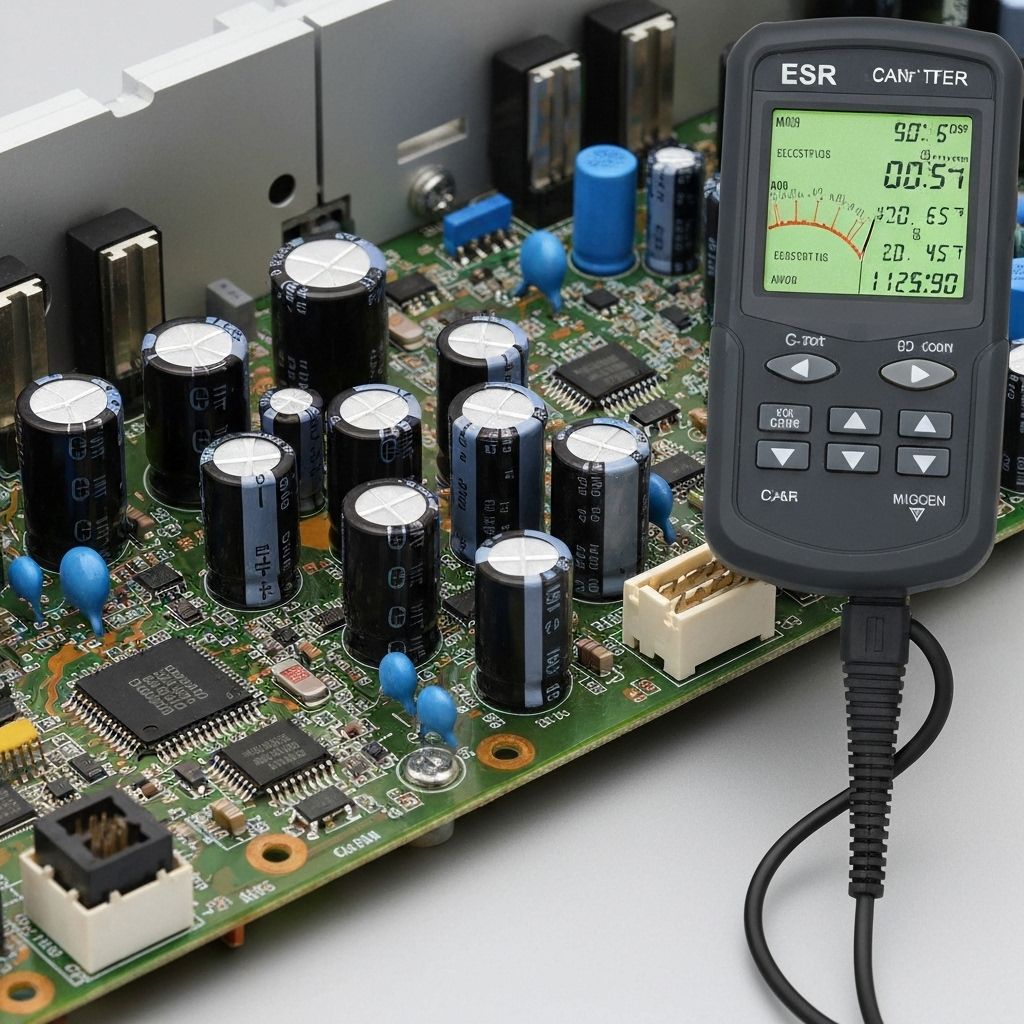
Before replacing parts, test the main filter capacitor and downstream circuits to ensure they weren't damaged. Measure the filter cap ESR (should be under 1Ω) and check for shorts on the secondary side voltage rails. In this case, everything downstream was OK - the MOV and fuse did their job.
Replace Damaged Components
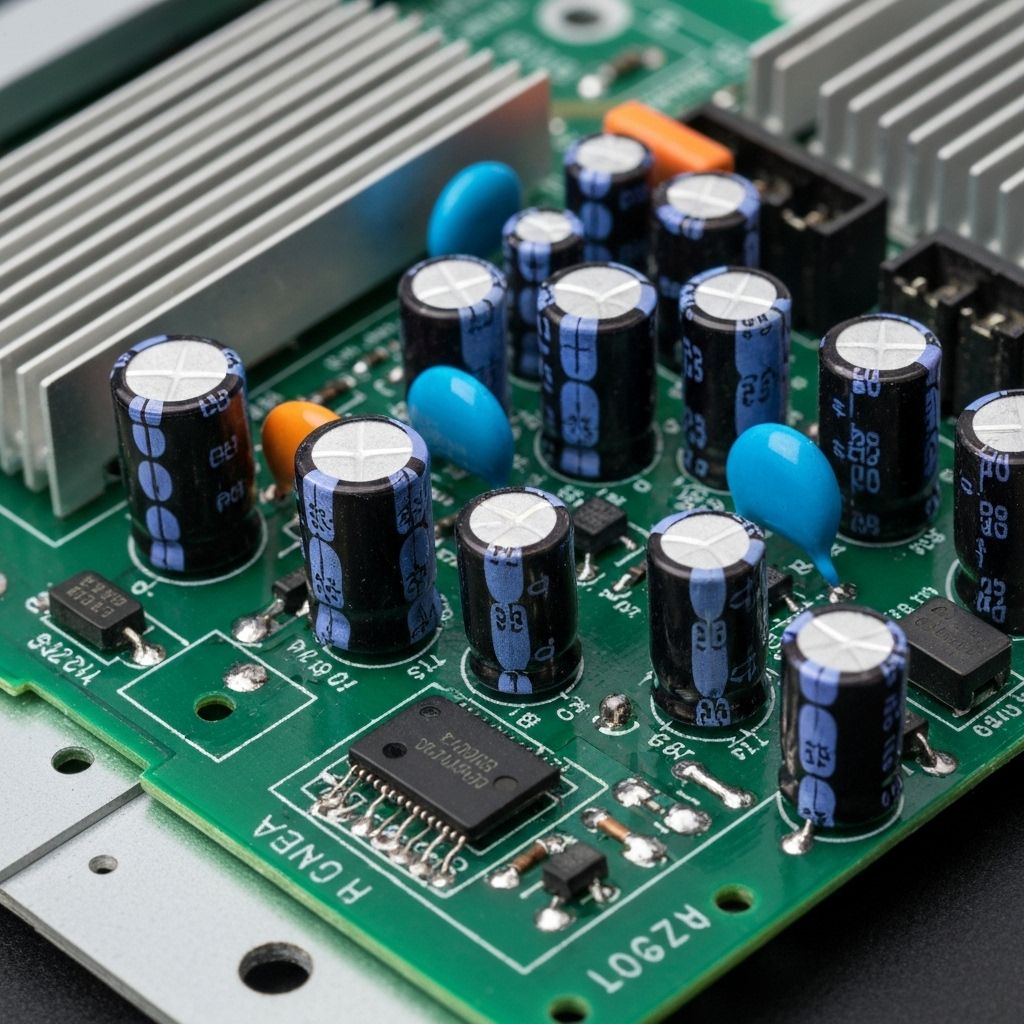
Replace the MOV, fuse, and bridge rectifier. The MOV is usually soldered or in a socket. The fuse is in a holder. The bridge rectifier is soldered. Use a 470V MOV (14D471K) - don't use a lower voltage rating. Install a new 5A fast-blow fuse. Replace the bridge rectifier with a KBP307 or equivalent (must be rated for 3A+ and 700V+).
Test and Power On Carefully
Before reassembly, test the repair. Plug in the TV through a surge protector (important!). Power it on. The standby light should illuminate. If it does, the power supply is working. Let it run for a few minutes to ensure stability. If the fuse blows again immediately, there's additional damage downstream that needs diagnosis.

Conclusion
The TV was successfully restored to operation. The MOV and fuse performed exactly as designed - they sacrificed themselves to protect the expensive components downstream. This is why surge protection components exist. Total repair cost was under $5 in parts. IMPORTANT: Advise the customer to use a quality surge protector for future protection. Cheap power strips offer minimal surge protection. A good surge protector with 2000+ joules rating and warranty is essential for expensive electronics.