Samsung 65" QLED TV - Power Supply Capacitor Failure
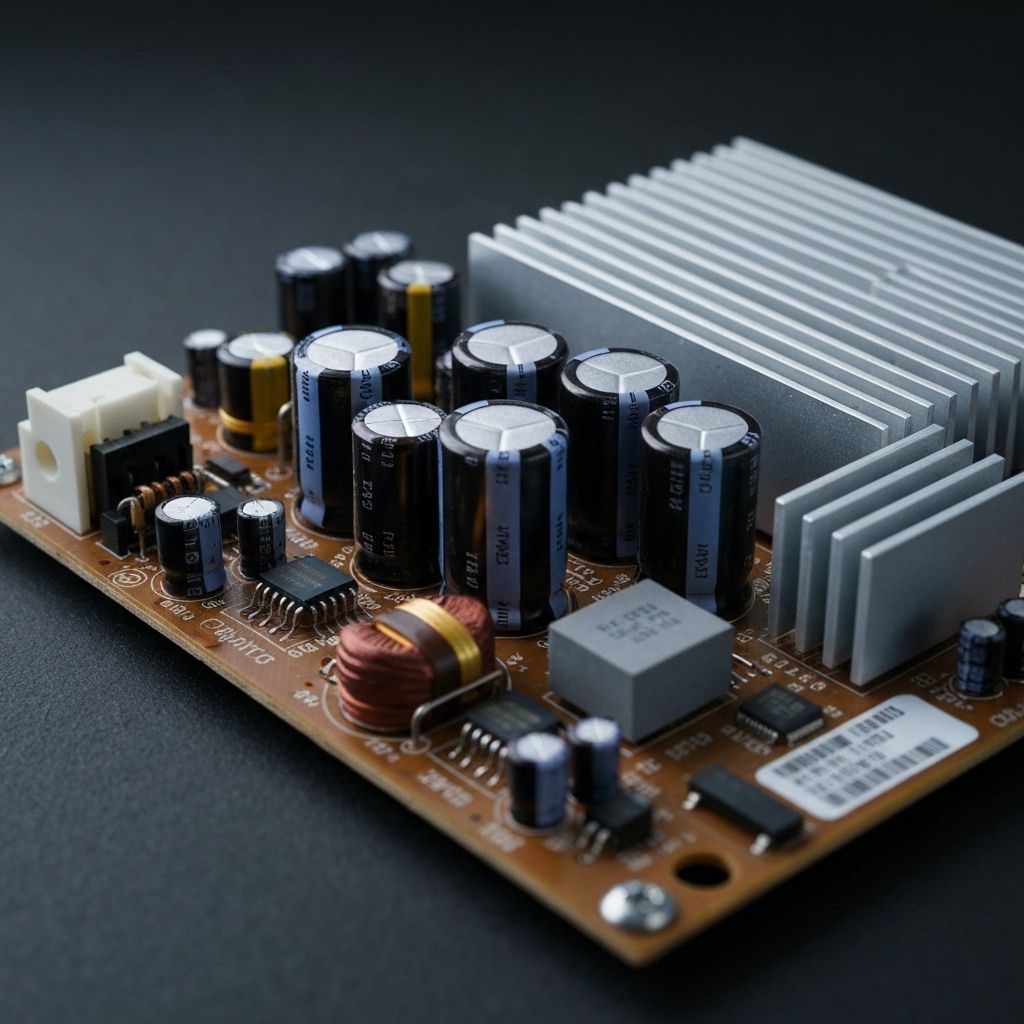
Samsung QN65Q80C completely dead. Traced power supply failure to bulging capacitors. Complete replacement with 105°C rated components.
Symptoms
- TV will not turn on
- No standby light (red LED is off)
- No clicking sound when power button is pressed
- Completely dead unit
Diagnosis
Visual inspection of the power supply board (BN44-01000A series) revealed multiple electrolytic capacitors with domed/bulging tops. Multimeter testing showed 0V on the 13V and 5V standby rails. Fuse was intact, indicating a failure in the secondary side filtering rather than a primary side short.
- Phillips Screwdriver #2
- Soldering Iron (60W+ recommended)
- Desoldering Pump / Wick
- Flux Pen
- Wire Cutters
- Multimeter
- Electrolytic Capacitor1000µF 16V 105°CReplaces 1000µF 10V 85°C
- Electrolytic Capacitor470µF 35V 105°CReplaces 470µF 25V 85°C
- Electrolytic Capacitor220µF 35V 105°CReplaces 220µF 25V 85°C
Repair Process
Safety First
Unplug the TV and wait at least 15 minutes for the large main filter capacitor to discharge. This capacitor can hold 300-400V even when unplugged.
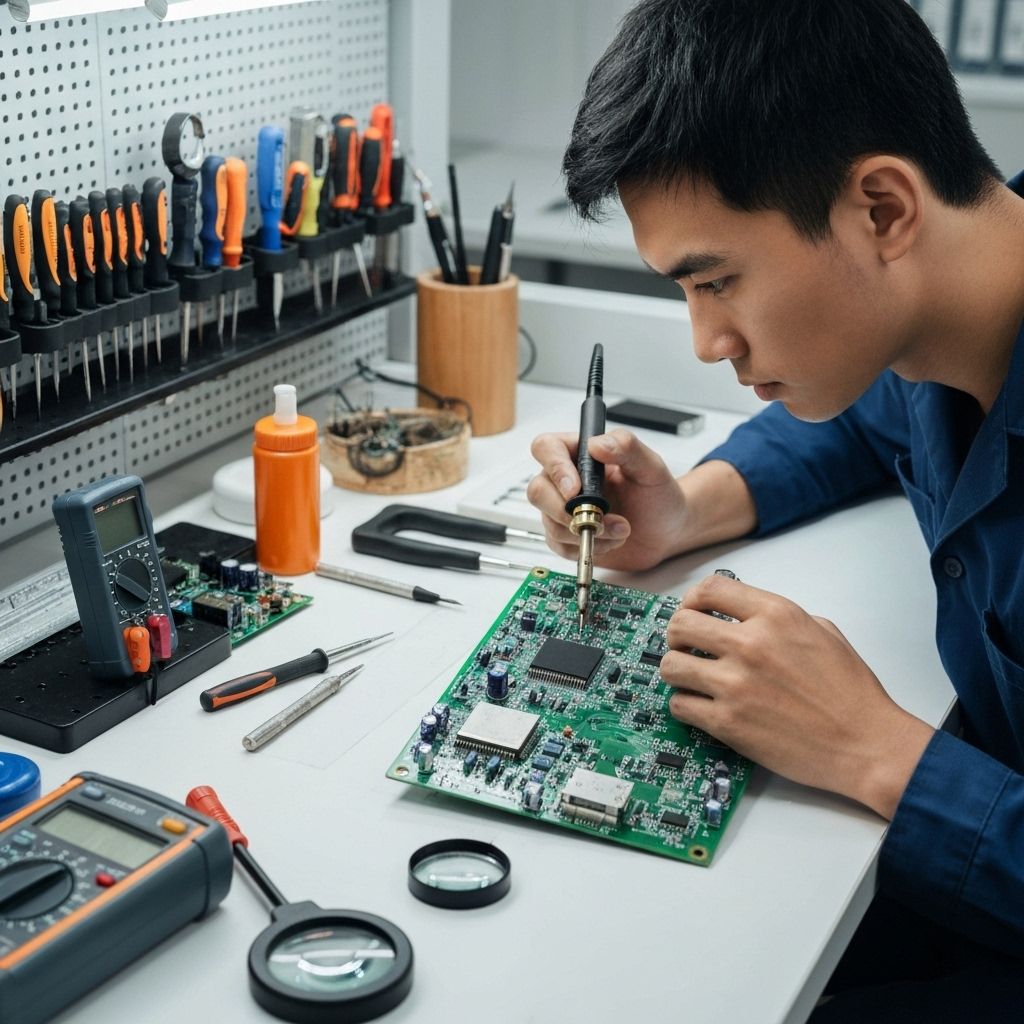
Remove Back Panel
Place the TV face down on a soft surface (blanket or towel) to protect the screen. Remove all screws securing the back panel. Keep track of different screw lengths.
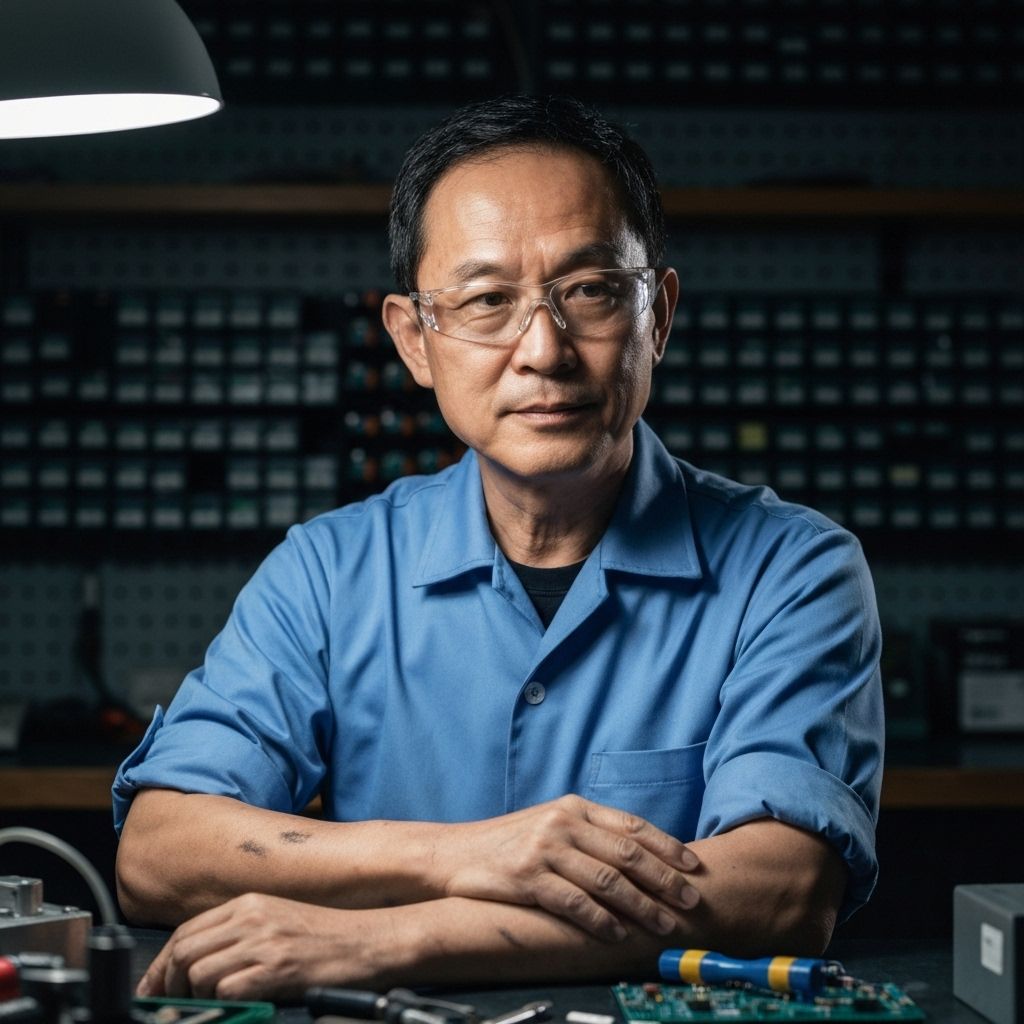
Identify the Power Supply
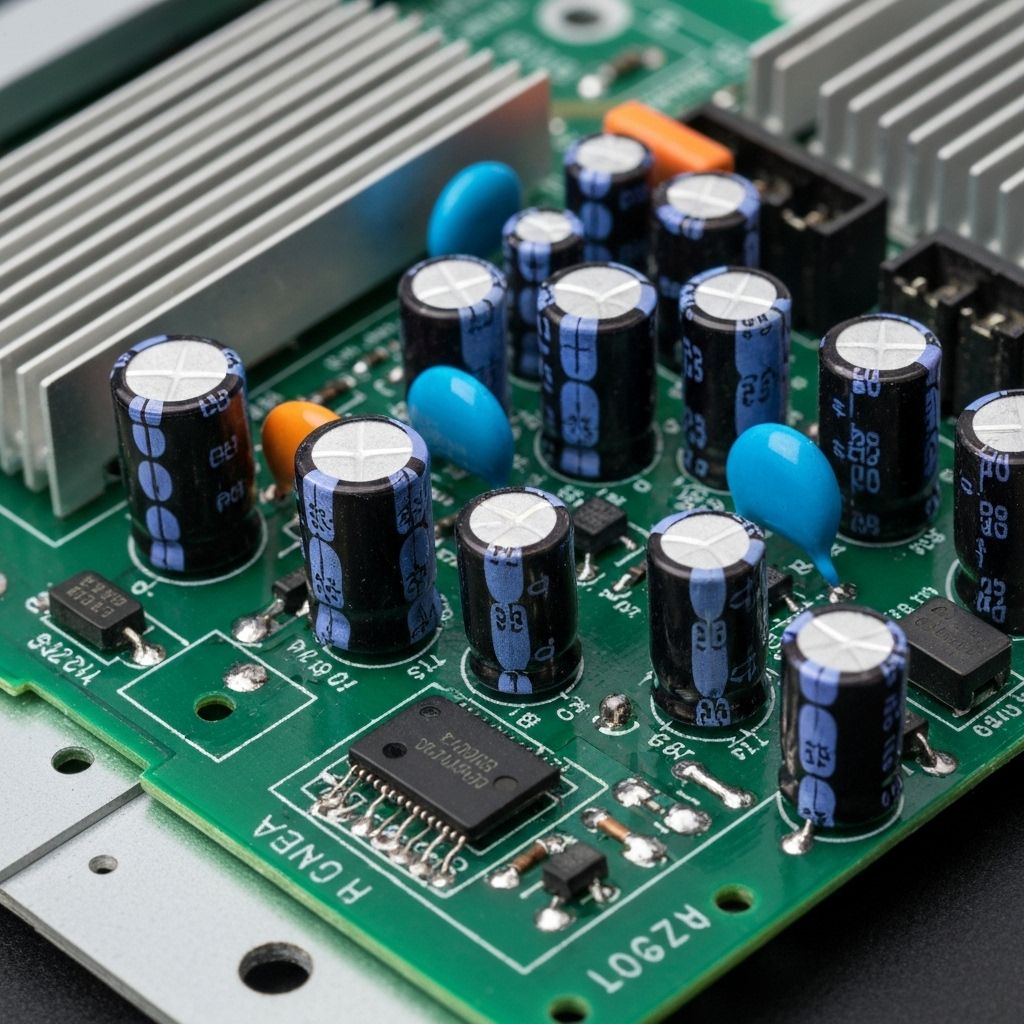
Locate the power supply board. It is the board where the AC power cord connects. Look for the large yellow transformers and the cluster of electrolytic capacitors.
Remove Faulty Capacitors
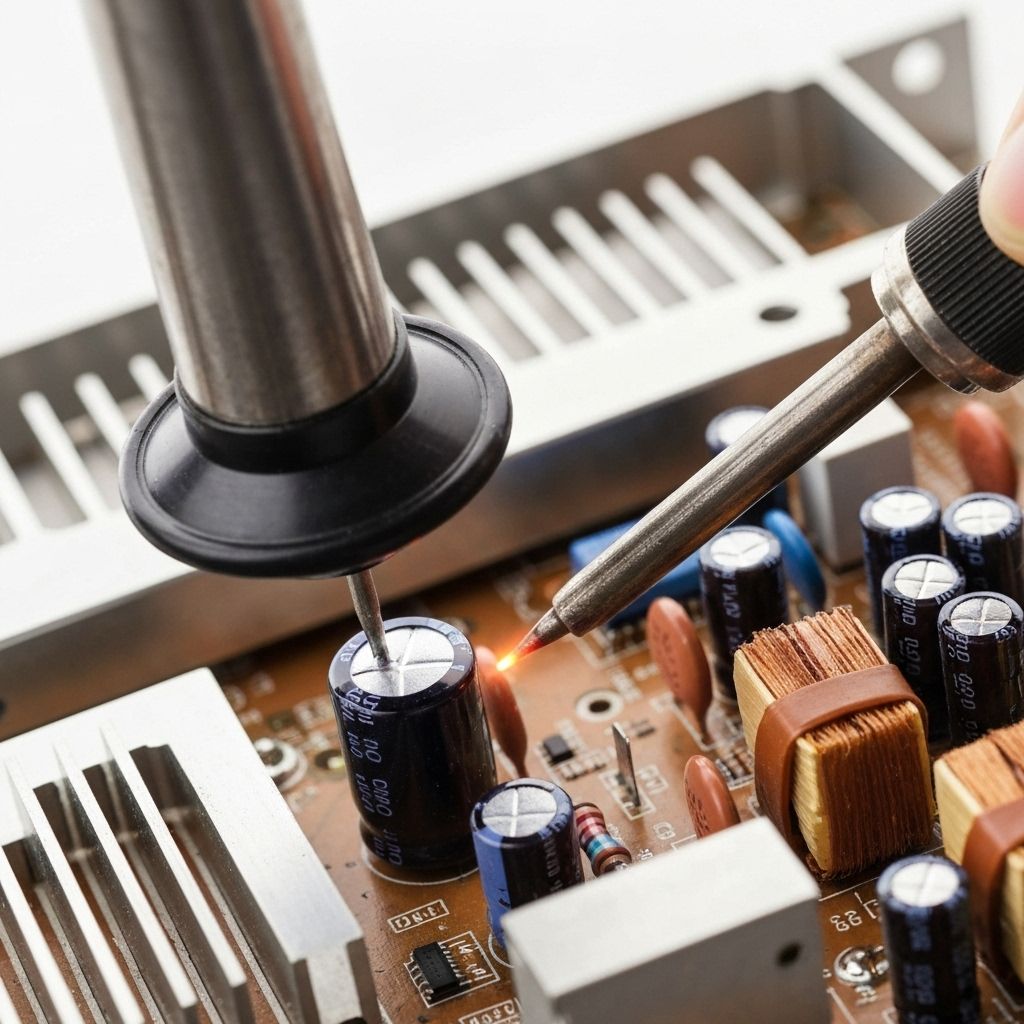
Desolder the bulging capacitors. Add fresh solder to the joints first to help the old lead-free solder flow. Use a desoldering pump or wick to clear the holes.
Install New Capacitors
Insert the new 105°C rated capacitors. PAY ATTENTION TO POLARITY. The stripe on the capacitor must match the shaded half of the circle on the PCB. Solder them in place and trim the leads.
Conclusion
After replacing the capacitors, the TV powered on immediately with a stable standby light. Voltage rails measured within 5% of spec. The use of 105°C high-ripple-current capacitors will ensure this repair lasts significantly longer than the original components.